08
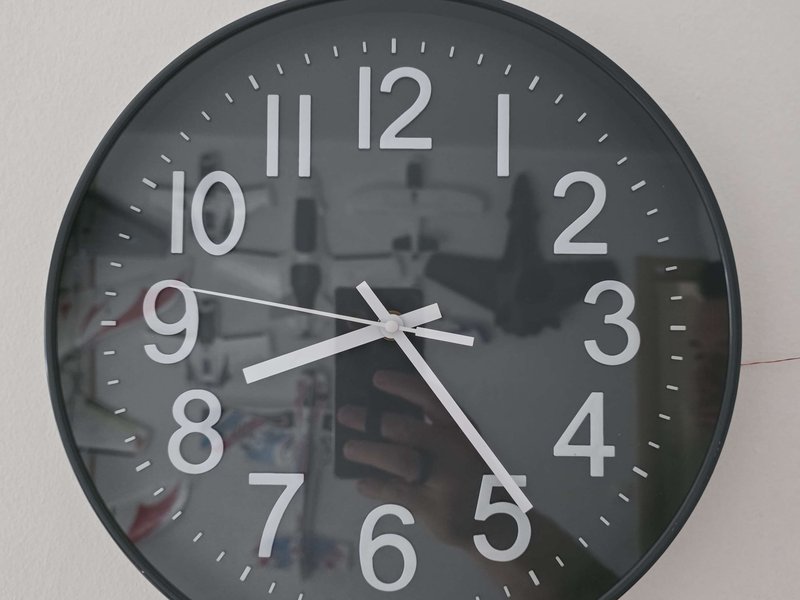
Vetinari clock driven by an ESP32
A Vetinari clock built from an inexpensive store-bought wall clock, whose second hand ticks irregularly yet still keeps perfect time, minute by minute.
 The Makery
A community for people who make things and share how they made them.
8 projects
08
A Vetinari clock built from an inexpensive store-bought wall clock, whose second hand ticks irregularly yet still keeps perfect time, minute by minute.
07
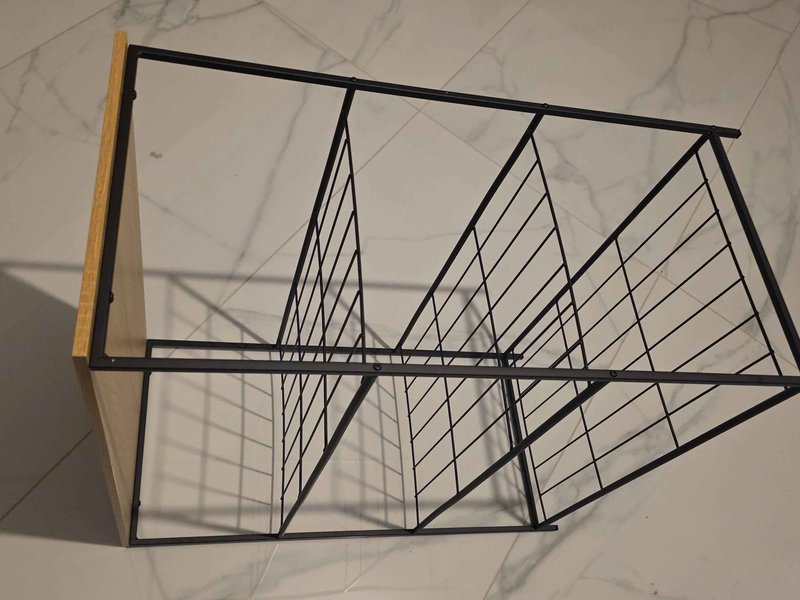
A cheap shoe rack converted into a home server rack, giving a small collection of servers a tidy place to live.

06
Wherewhen is a travel planning website that brings together AI help, a visual picture of the trip, and the time it takes to get between places, all in one spot.
05
A website that gathers the Makery's Discord project threads into tidy project pages, so there is always somewhere to point people to see what the community is building.
04
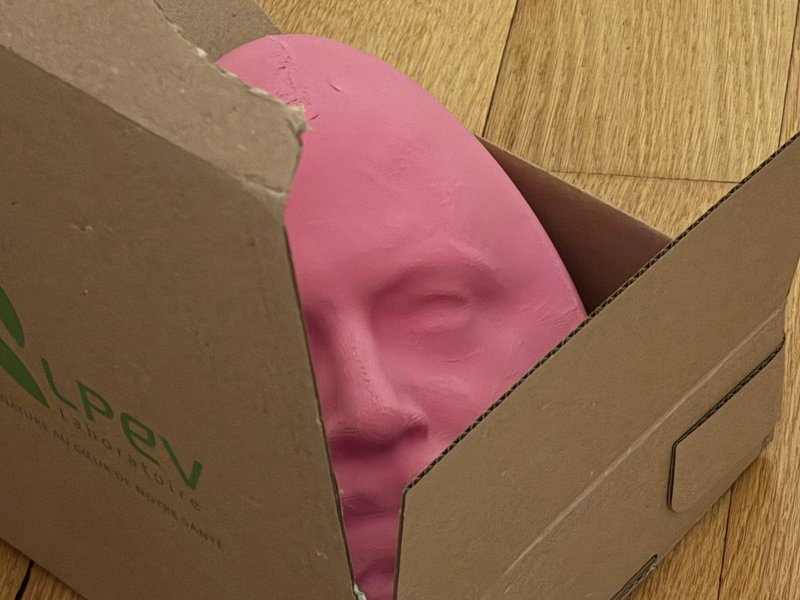
A 3D scan of Nicolas Mattia's own head, reshaped into an egg and printed at a larger scale, a rather personal ornament that also keeps him company in the bathroom.
03
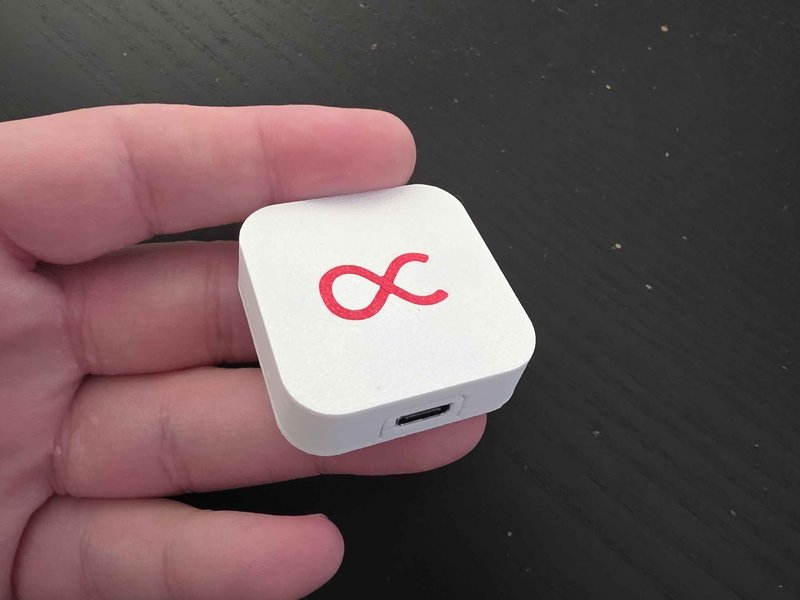
A small presence sensor built from an ESP32 and an LD2410 radar module, made to tell when someone is in the various rooms of a home, with a photodiode added to sense light.
02
I built a digital assistant app for Android that registers itself as the system assistant, so long-pressing the power button pops it up and starts recording audio. You can add various actions to it, including adding calendar events and alarms, and anything it doesn't handle falls through to my own digital assistant, Stavrobot. It transcribes with the OpenAI or ElevenLabs API and uses OpenAI as a lightweight LLM to parse the actions, and if you're offline it keeps retrying everything until it works.
01
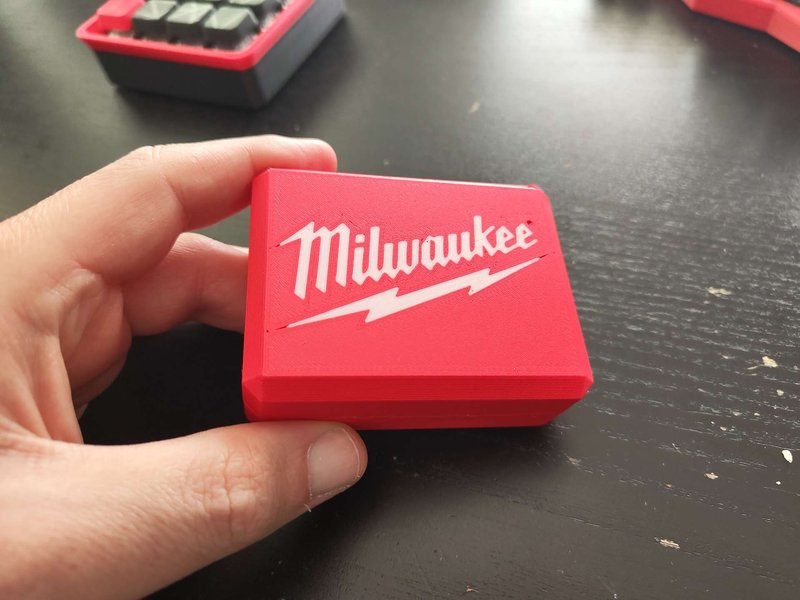
I bought a set of Milwaukee screwdriver bits and loved them immediately, but the case they came in was pretty massive, so I designed a much smaller one and printed it. The lettering on the lid is embossed and flood filled in a second colour, which meant working out how to do a multi colour print while my AMS was misbehaving. In the end the AMS held together long enough to get the part printed, and the result is fantastic.